

Heavy Cover &
Shallow Targets
Compact, controllable profiles that come through grass, wood, and dock edges — built for close-quarters decisions. Doug breaks down four shallow target types and exactly how he attacks each one, from the first bait on the deck to the follow-up.
Heavy Weeds
Start by throwing over the top of the mats to locate active fish, then punch down to get them. Always have a hollow belly frog on deck. From ice-out until the water drops to the low 40s, a buzzbait lets you cover water fast — slow down once you find them.

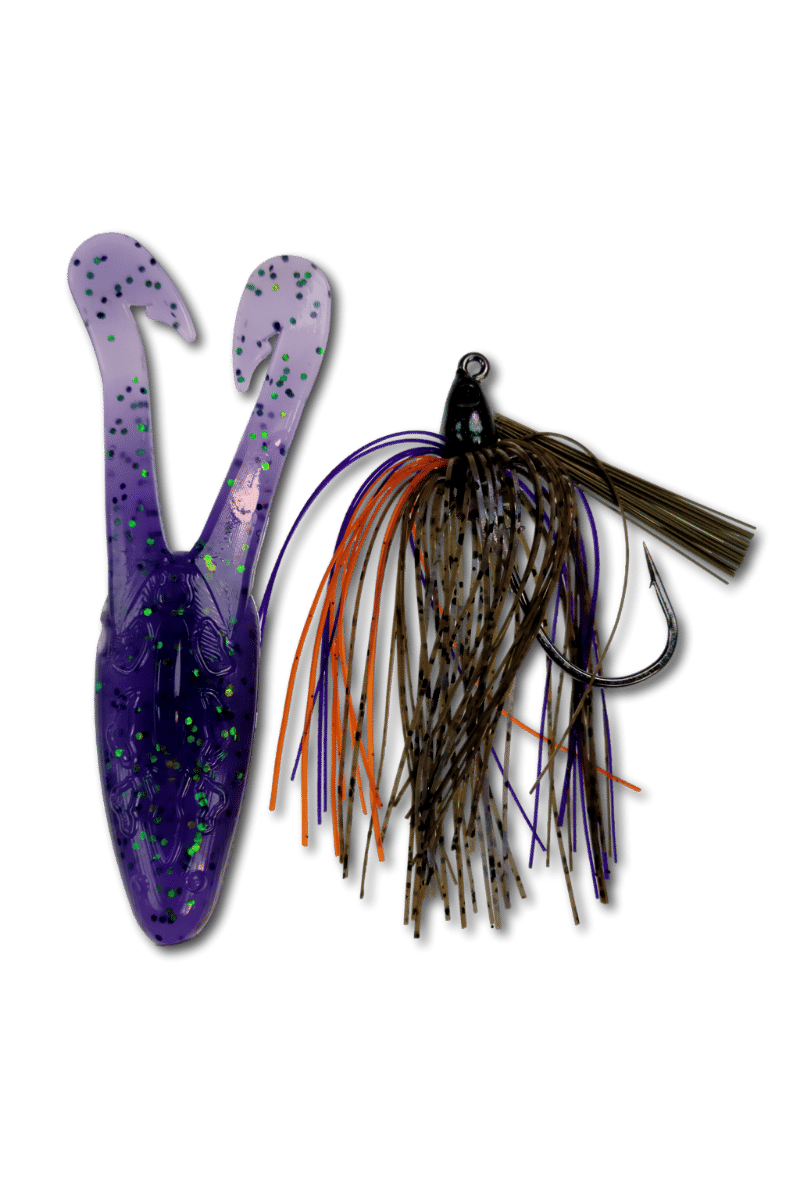
Throw this over the top of the mats before you start punching. The goal isn't necessarily to catch fish — it's to make them show themselves. When bass boil up or follow, you know exactly where to drop the punching rig. Fish this fast and cover the entire mat edge before slowing down.
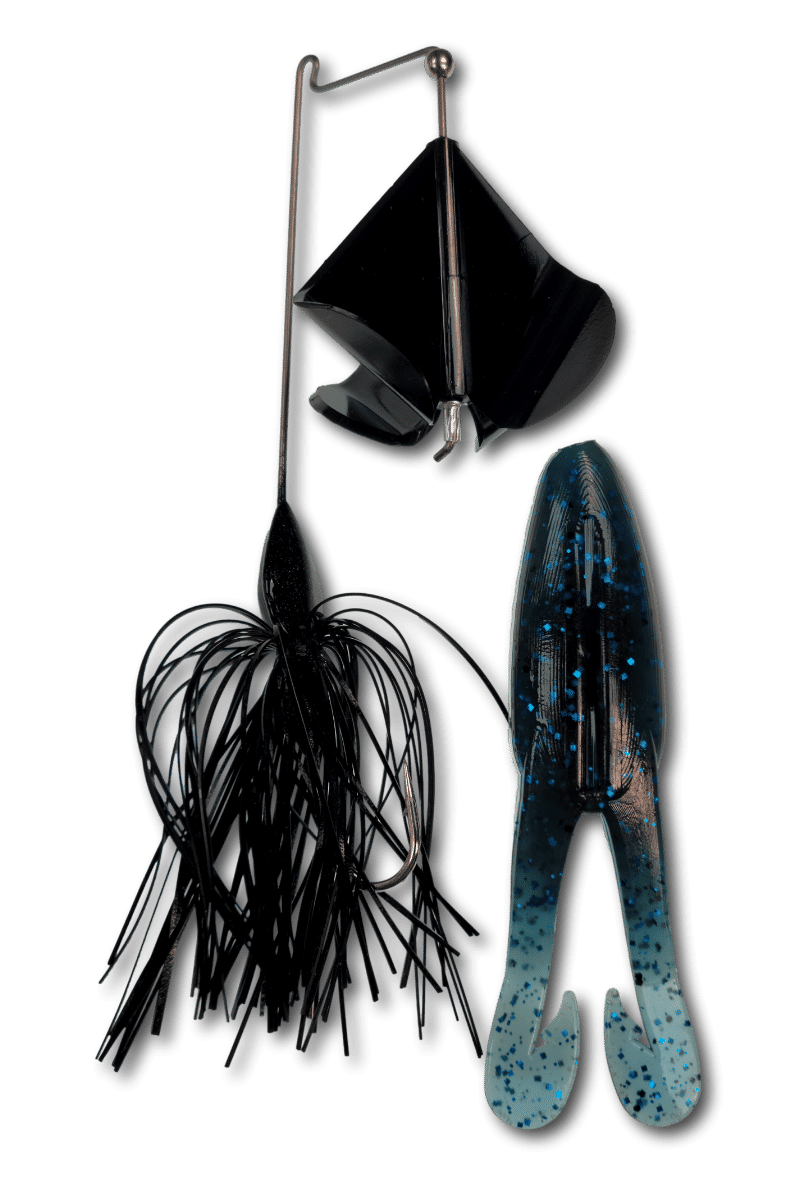
During this window the buzzbait stays on deck any time you're in shallow cover. Move fast — the frog trailer adds bulk and kicking action that draws strikes even in cold water. Once you contact fish or get a reaction, kill the retrieve or switch to the punching rig to work the zone.
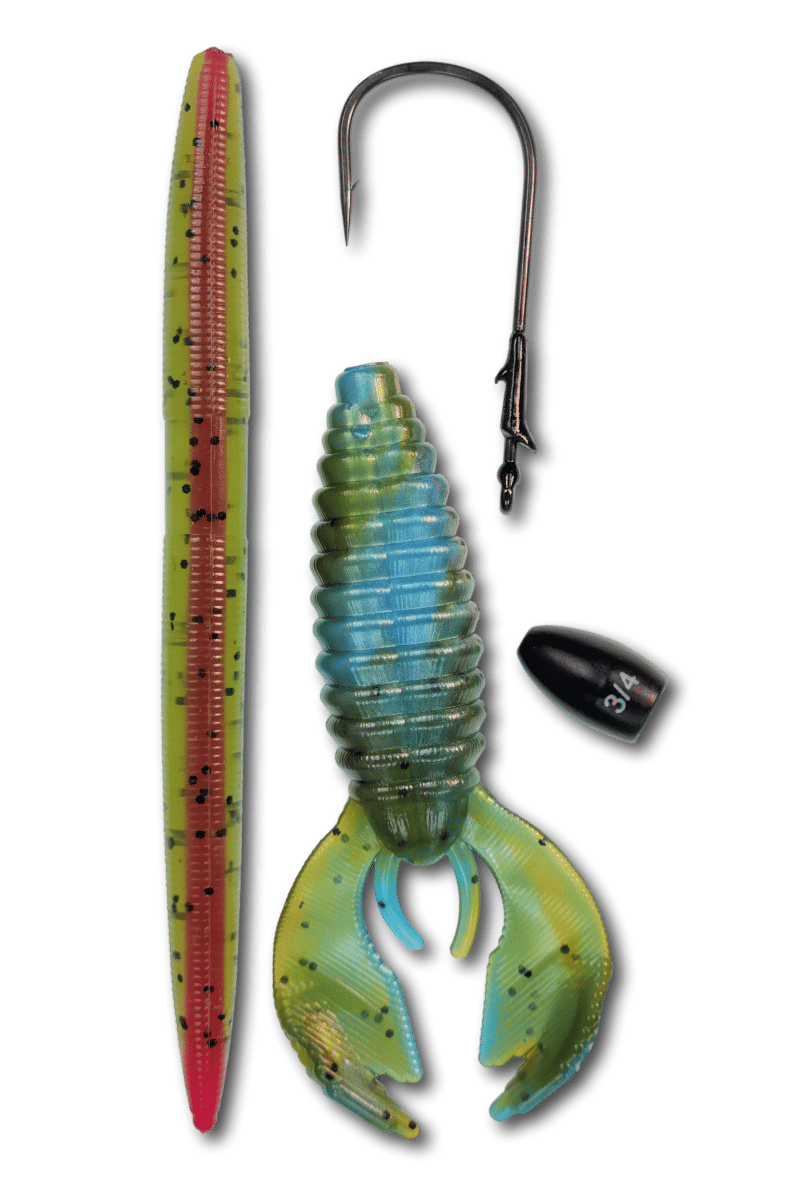
After the swim jig reveals where fish are sitting, punch this down through the mat directly on top of them. Heavy tungsten drives through the thickest vegetation. Stickbait is first choice — the slender profile slides through without fouling. Use the Flippin Craw when you want more movement and a louder entry.
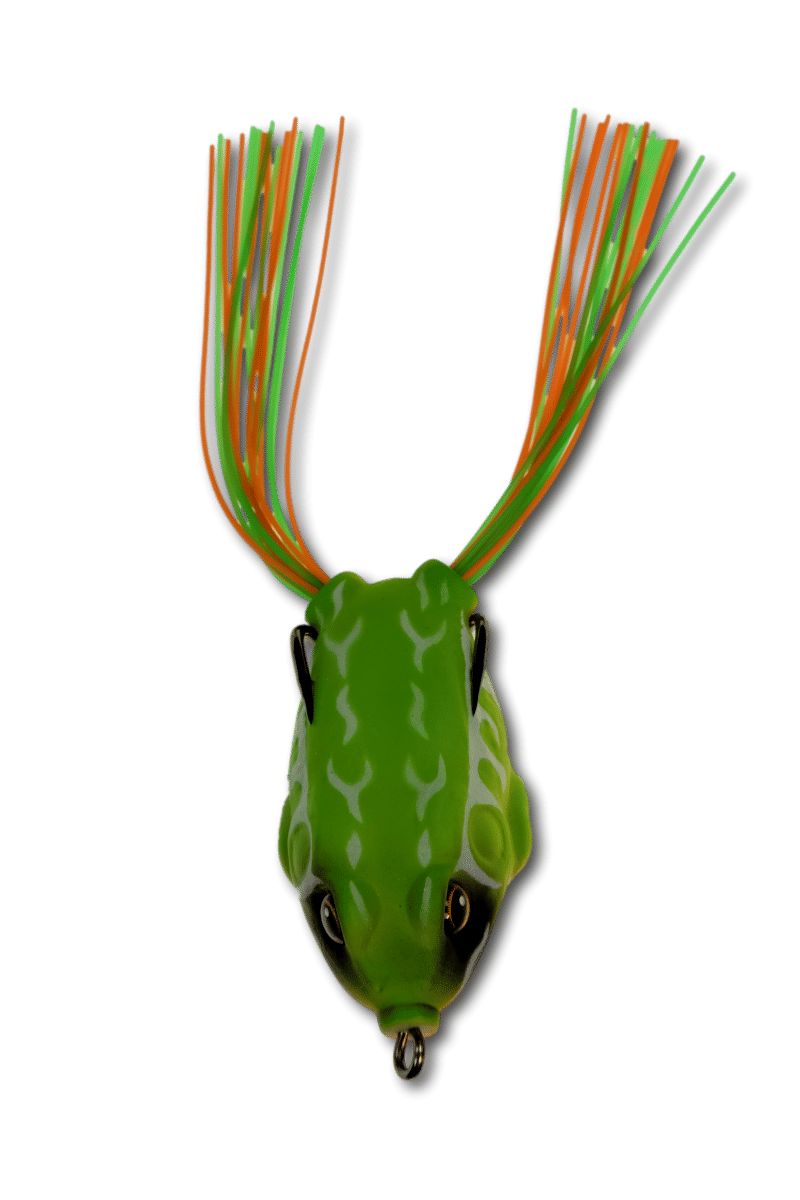
Keep this rod rigged and within reach any time you're on heavy mat cover. Walk it across the surface and pause in any opening or pocket you find. When a fish blows up, resist the urge to set immediately — wait until you feel weight.
Timber
Standing timber, laydowns, and submerged wood. Work baits through the tree and let deflections do the work — the arky jig is built for this. Drop down to a swim jig when fish are suspended, or go weedless Texas rig when they're hugging the bottom.
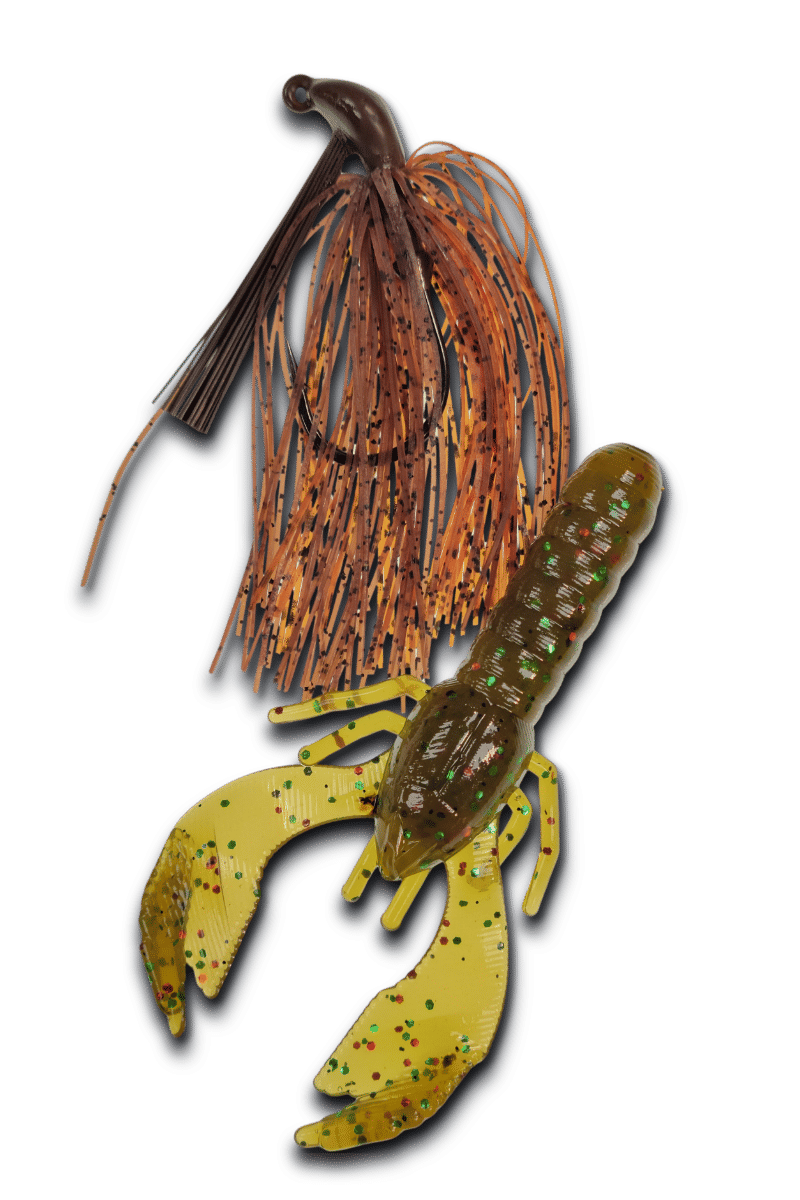
Pitch or cast it into the timber and work it through the branches. Every time the jig deflects off wood it triggers a reaction — don't reel past those contact points. Let it pendulum on the fall along vertical timber. The arky head comes through wood without hanging, and the Rampage Craw kicks and flares on the drop.
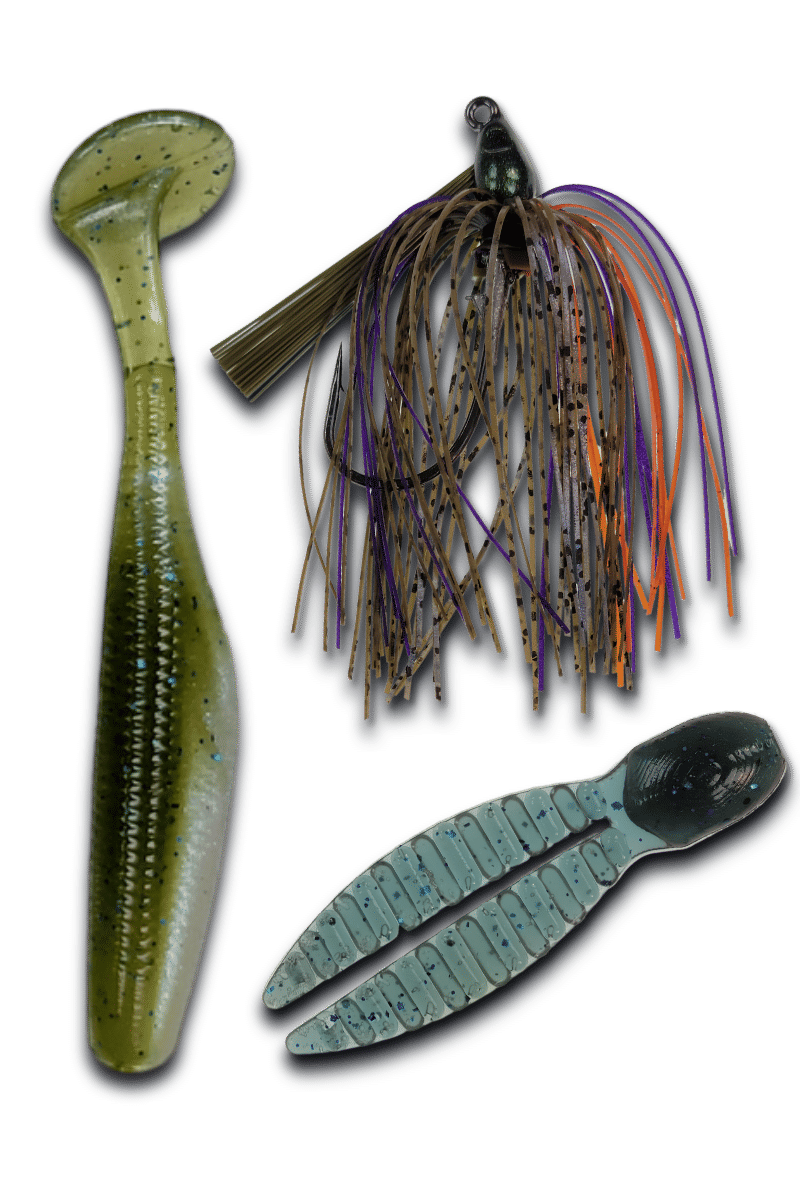
When fish are suspended in timber rather than tight to the bottom, swim this through the tree at mid-depth. The lighter weight keeps it in the zone longer. Use Rippin Shad in clear water when fish are chasing bait — switch to the craw in stained or dark water for more displacement.
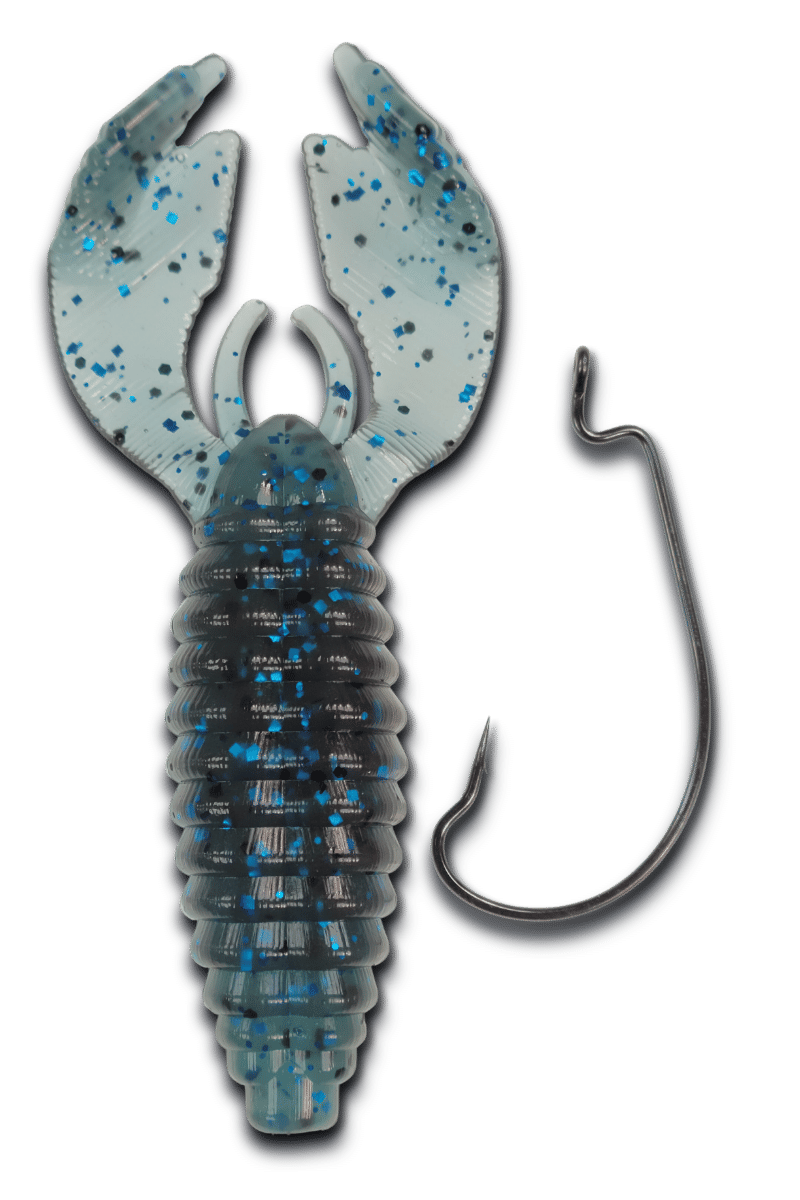
When fish aren't chasing and are tight to wood on the bottom, this is your answer. Flip it right at the base of the timber, let it fall on semi-slack line so the craw can kick and flare on the drop, then drag slowly. Most bites come on the initial fall or the first short drag.
Docks
"There is never a bad time to fish docks." The skip cast gets the bait under structure where most people won't put it. Have multiple rods rigged — tube for the skip, micro jig as backup, arky jig when you want a quality bite.
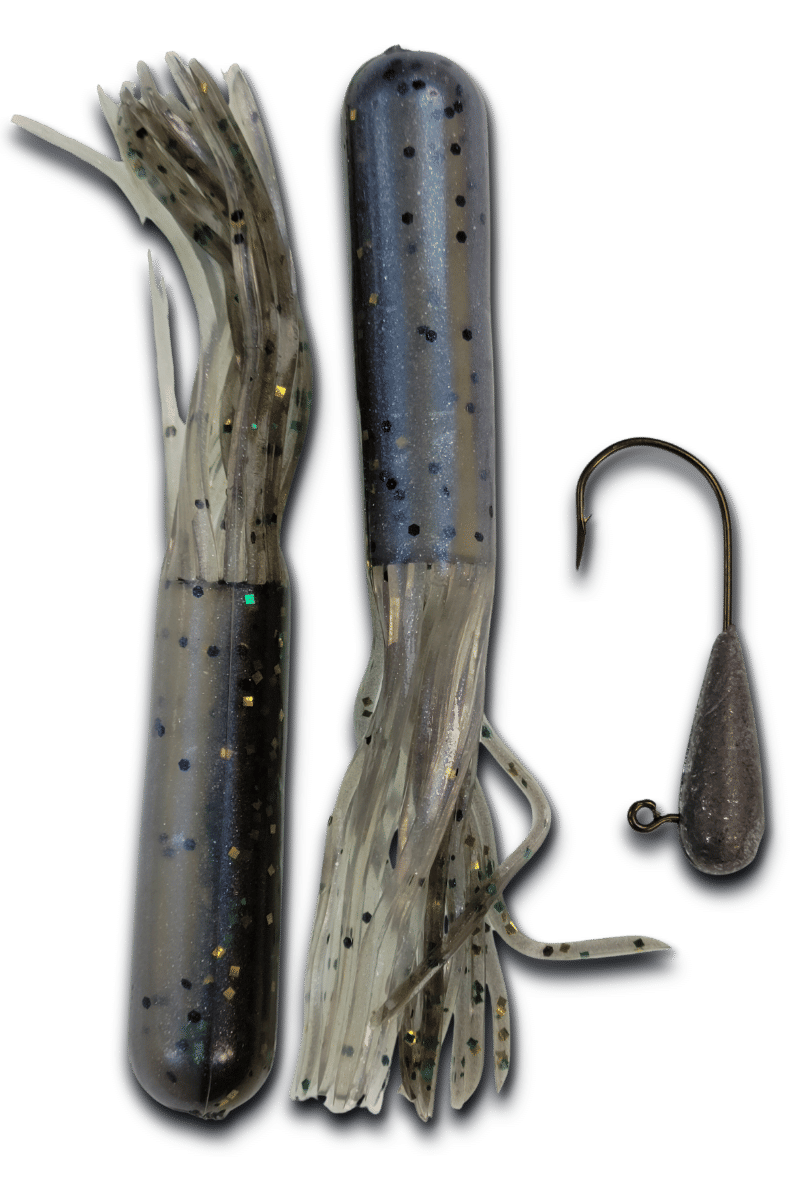
Skip this as far back under the dock as you can — deeper than where other fishermen put their baits. The tube skips flat and lands quietly. Once it hits, give slack and let it spiral down on its own. That slow spinning fall with the tentacles kicking is what triggers the bite.
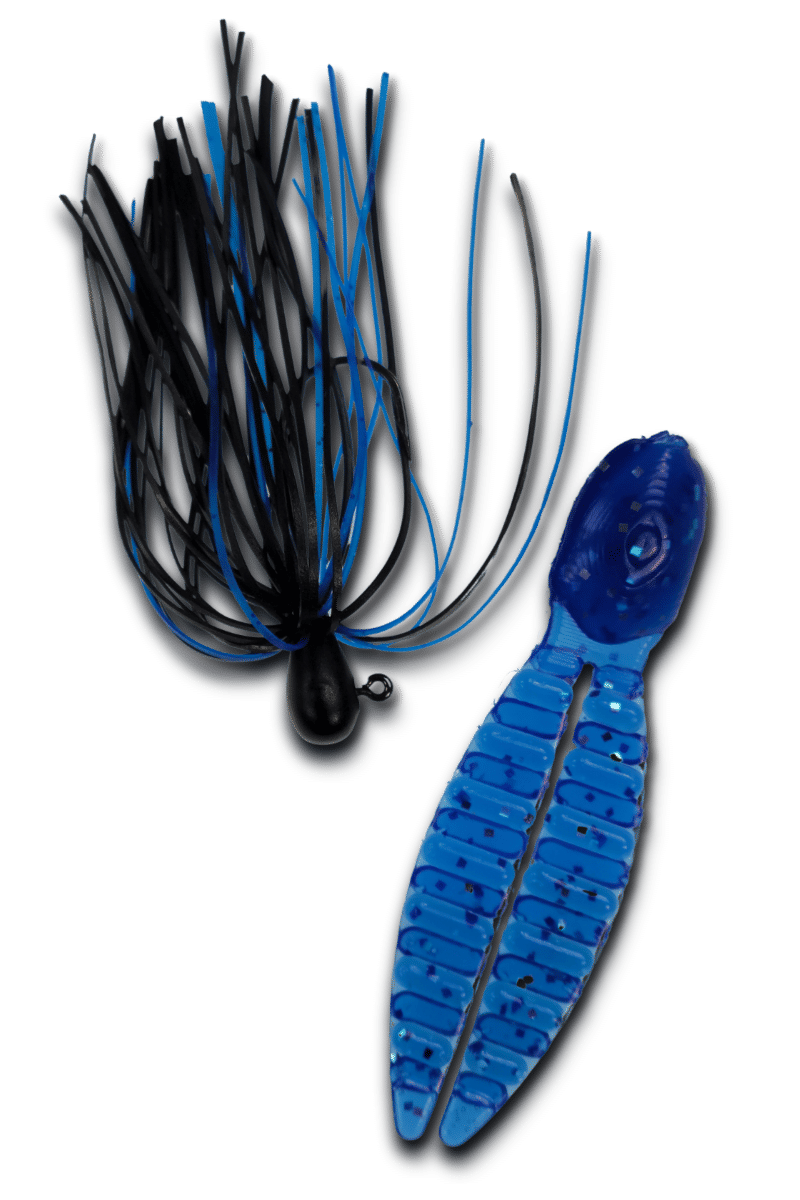
Natural look, clean compact profile — skips well and falls slowly, giving fish a long time to commit. Good when fish are pressured or finicky. Both the HyperChunk and Ned Craw work on a dead fall with no additional movement — just let it sink and watch your line.
When you want a bigger, better bite — not numbers — pitch this to the dock posts and let it fall fast to the bottom. The bigger jig profile filters for larger fish. Best on deeper docks, floating docks with vertical posts, or when fish are clearly holding tight to structure.
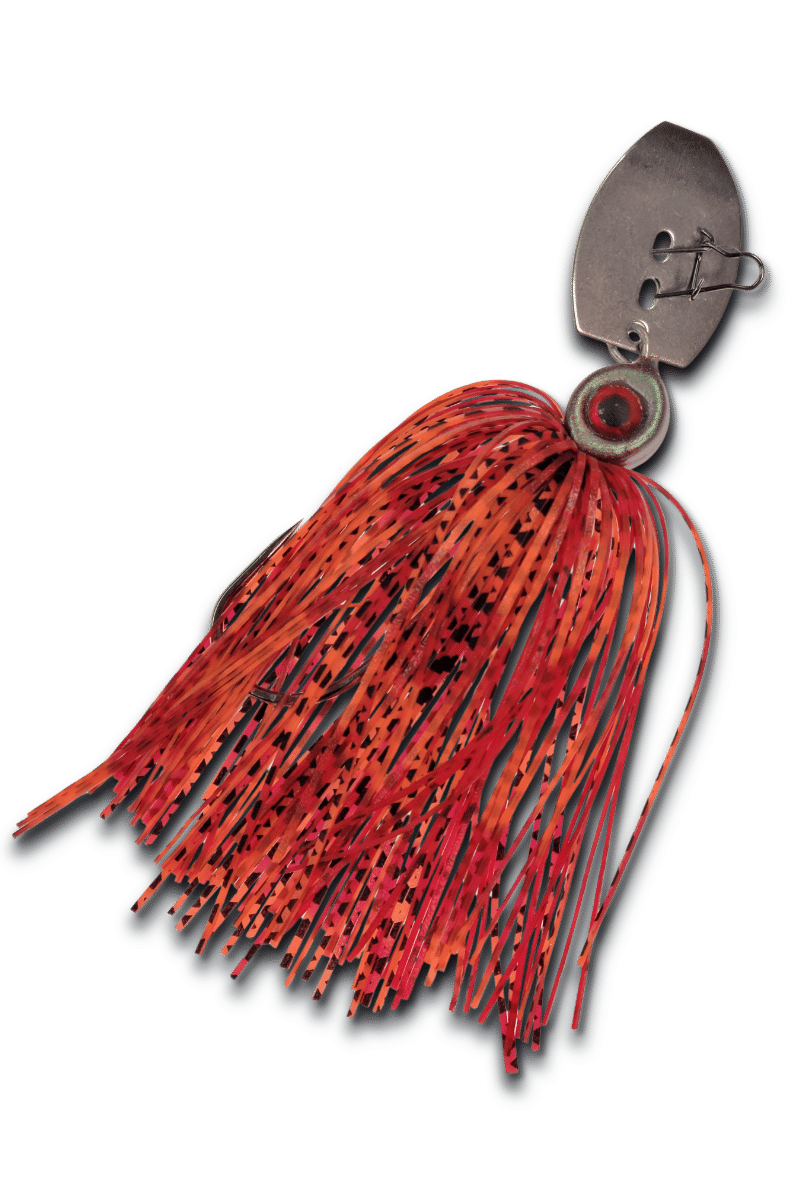
Don't waste time in dead water. Keep a moving bait working the lanes between docks — you'll locate transitional fish that aren't staging tight to structure. The Boogie Blade gives flash and thump at any speed; buzzbait is better when fish are near the surface.
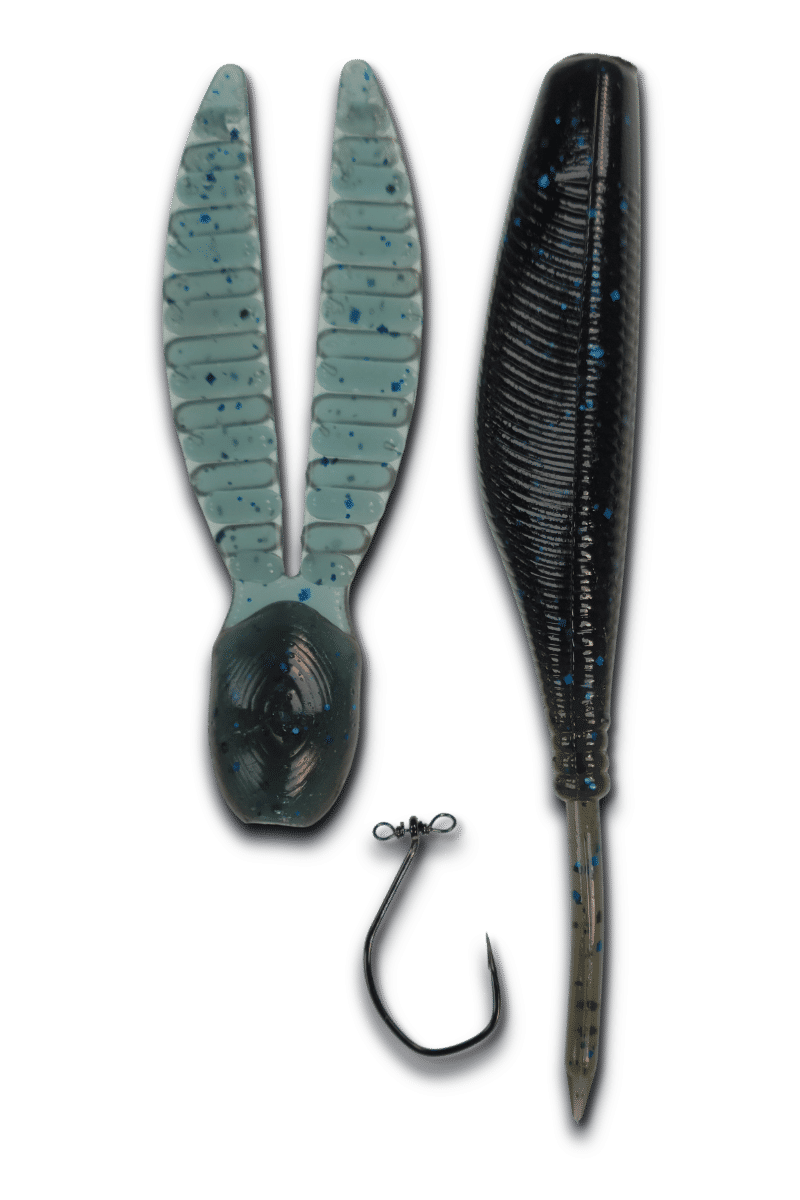
Great way to catch numbers and fish the water column right along dock pilings. The bait suspends above the weight — position it at whatever depth fish are sitting. Shake it in place or drag slowly along the bottom. Good option when fish have seen everything else.
Weed Flats
Open flats with submerged or emergent vegetation. Fish are spread — cover water efficiently while keeping baits just above the grass tops. Wind is your friend here: a blowing flat activates fish and makes the Boogie Blade the right call.
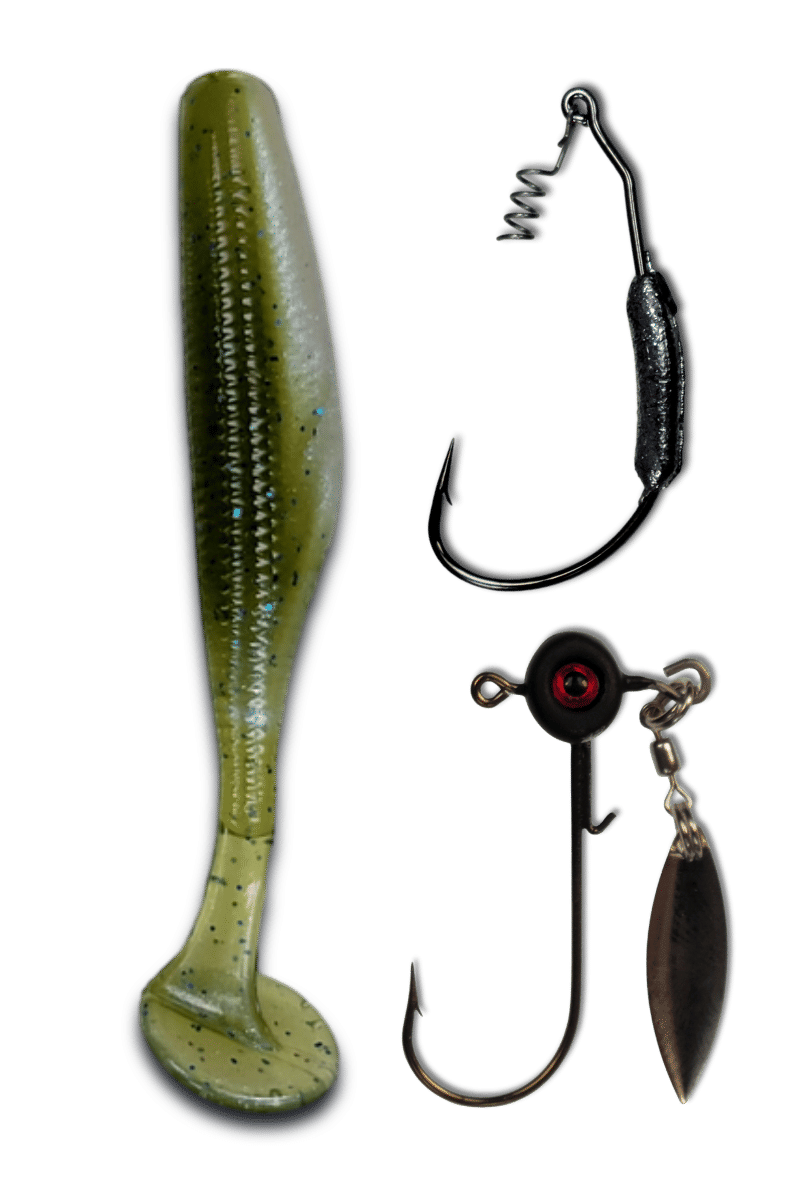
Keep the Rippin Shad right above the grass — you want it grazing the tops, not swimming through open water above it. Swimbait hook is best when weeds are thick or mixed. Go to the underspin when fish are more active and looking up, as the spinning blade adds flash and helps the bait plane naturally.
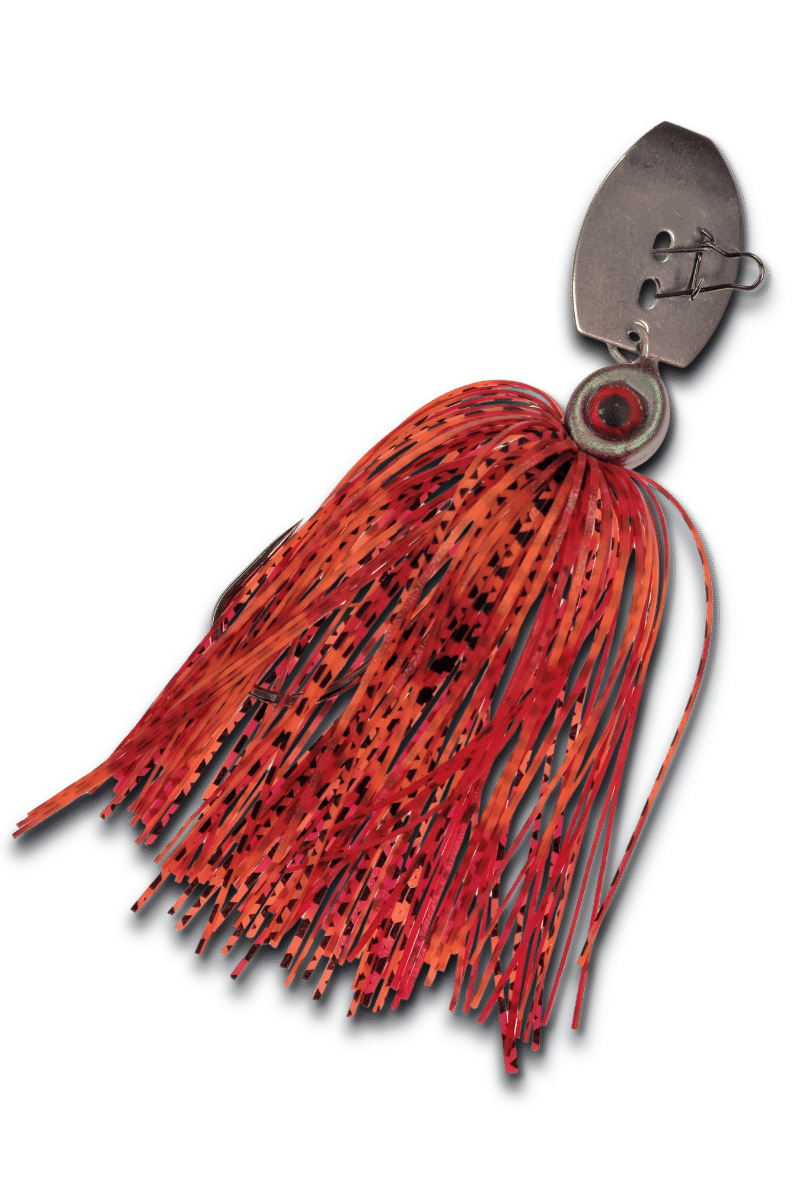
When wind is pushing onto a flat, fish activate. The Boogie Blade is built for this — the spinning blade creates constant vibration and flash that triggers reaction strikes in choppy, moving water. Work it across the wind-blown edge, casting parallel to the bank or at an angle into the wind.