






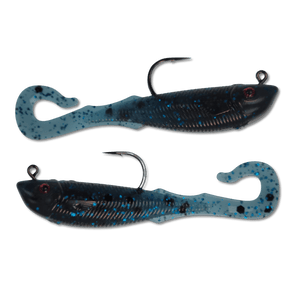
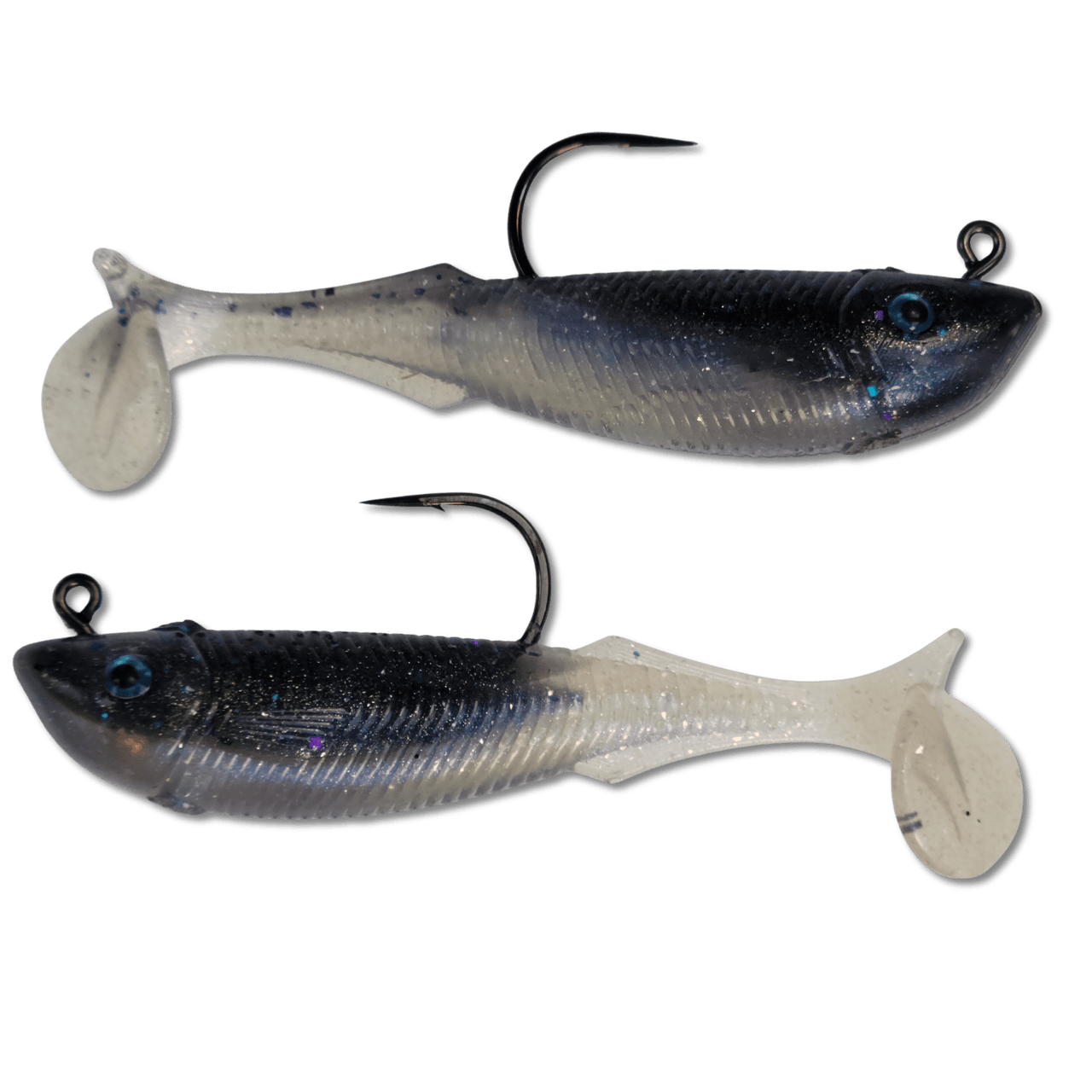
Dougs Custom Lures 3.5" Pre-Rigged Bootkicker Soft Plastic Paddle Tail
$7.99
(No reviews yet)

Write a Review
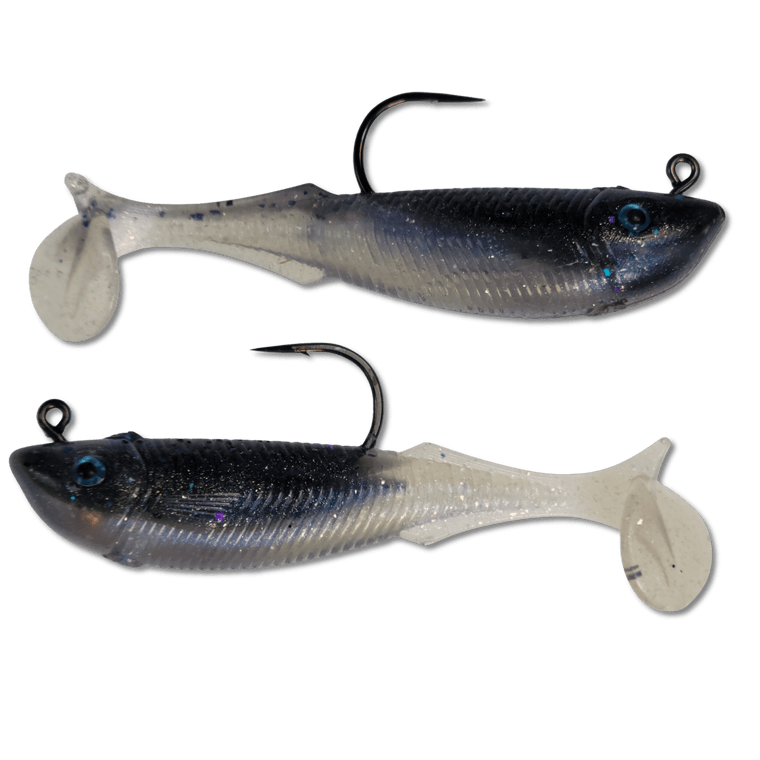
Dougs Custom Lures 3.5" Pre-Rigged Bootkicker Soft Plastic Paddle Tail

Doug's Take
"The Bootkicker is the bait I reach for when I want to cover water fast and not overthink it. That paddle tail is thumping from the second it hits the water — just pick your weight for the depth you're fishing and start winding. Bass, walleye, pike — they all eat it. It's the kind of bait that works on its own as long as you put it in front of fish."
— Doug, founder · Doug's Custom Lures · Milwaukee, WI
Pre-Rigged. Paddle Tail Thump. Five Ways To Fish It.
The DCL 3.5" Bootkicker is a pre-rigged paddle tail swimbait built around one idea: tie it on and fish. The ribbed swimbait body is mounted on a jig head with a 3/0 hook, ready to go out of the package. No rigging decisions. No setup time. Pick the weight that matches your depth and start covering water.
That boot-style paddle tail produces a tight, thumping kick on every retrieve — strong vibration from the second it hits the water. Bass feel it before they see it. Available in five head weights from 1/8 through 1/2 oz, the same bait fishes from shallow dock edges to deep main-lake structure depending on what you tie on.
Bass, walleye, and pike all eat this bait. The 3.5" profile reads as a shad, perch, or small baitfish depending on color and water — it's the right size to draw attention without going too big for finesse situations.
Pre-Rigged & Ready
Comes out of the package on a jig head with a 3/0 hook — tie it on and fish. No rigging decisions, no setup time. Pick your weight for the depth and conditions and start covering water.
Paddle Tail Thump
The boot-style paddle tail produces a tight, rhythmic kick that drives vibration through the entire body. Fish feel it before they see it. Strong action at any retrieve speed from slow roll to burn — the tail never stops working.
Five Weights, One Bait
Available in 1/8 through 1/2 oz. Light heads for shallow flats and finesse presentations; heavier heads for depth, current, and getting down to structure fast. Same bait, completely different depth range depending on what you tie on.
Multi-Species
Bass, walleye, and pike all eat this bait. The 3.5" profile is the right size to draw attention without going too big for finesse situations. It reads as a shad, perch, or small baitfish depending on the color and the water you're fishing.
- Weight selection is your primary control. Shallow dock edges and grass flats, go 1/8 or 3/16. Mid-depth structure and points, 1/4. Deeper ledges, current, and getting down fast, 3/8 or 1/2. Same retrieve, completely different depth range.
- Keep the rod tip low on the retrieve. It keeps you in contact with the bait, lets you feel the paddle tail working, and puts you in a better position to detect soft strikes. High rod tips lose depth and feel.
- The bite on the fall is real. On a lift-and-drop, most strikes happen as the bait flutters back down. Let it hit bottom before the next lift and keep your finger on the line — a lot of walleye and bass pick it up on the bottom before you ever feel the bite.
- Match weight to water temperature. Cold water slows metabolism — fish don't want to chase. Go lighter, fish slower, keep the bait in the zone longer. In warm water above 65°F, heavier heads and faster retrieves trigger reaction strikes.
- For walleye on main-lake structure, the lift-and-drop along gravel points and channel transitions is the most consistent presentation. Count the bait down to bottom, lift once, let it fall. Repeat along the break. Most bites come within the first few rod lifts after hitting bottom.
On-the-water overview (demo copy)
This is placeholder text for Jiggin’ Johnson’s new template shell.
Once we’re happy with the layout and behavior, we’ll plug in real product
descriptions, rigging tips, and JJ-specific language.
Specs & build (demo copy)
Specs & build (demo copy)
Care & storage (demo copy)
Care & storage (demo copy)
Best ways to fish it (demo)
Swim Jig Trailer
Shallow grass, slow roll
Texas Rig
Pitching to cover
Ball Jig Head
Dragging sand or rock
Split Shot
Natural subtle glides


